The Address Tax: Why Your Delivery ZIP Code Quietly Rewrites the Online Rx Price
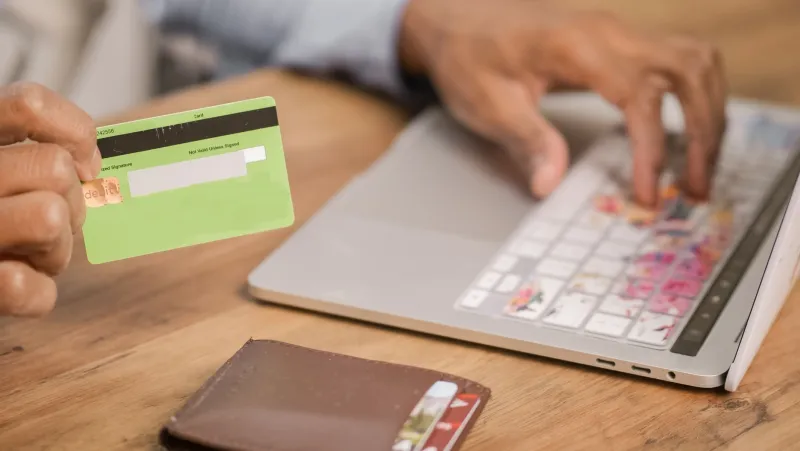
You see a generic drug listed at $12. You add it to the cart, choose a 90-day supply, and feel pretty good about the whole thing. Then you enter your delivery address. Suddenly the total is $19.47, shipping is $4.99, and a line called state fee has appeared out of nowhere. The medicine did not change. The price did.
That moment is worth understanding. An online pharmacy quote is not always a promise to every buyer in every state. It is often a shelf price, a starting point, or a best-case number that assumes a standard address, a standard license, and a standard shipping lane. Your ZIP code is not just a logistics detail. In 2026, it can be a pricing input.
The first price you see is often not your price
Many online pharmacy pages show a cash price before you enter an address. That number may reflect the drug cost alone, a specific pharmacy partner, a standard shipping method, or a state where the company is fully licensed. Once you type in a ZIP code, the site starts checking variables: Can we legally ship this medication to this state? Which pharmacy in our network will fill it? What does delivery cost to this address? Does a discount card apply to mail order in this state? Are taxes or handling fees added?
None of that automatically means the site is shady. It can mean the pharmacy is doing the boring compliance work behind the scenes. The trouble starts when the first number is presented as if it applies to you, and the final number is the only one that actually does.
Why a ZIP code changes the math
State licensure and shipping rules
Pharmacies are licensed state by state. A company that can ship to Texas may not be licensed to ship to Alaska, or may use a different partner pharmacy for certain states. Some medications have extra shipping restrictions. If the pharmacy has to route your order through a licensed partner, the drug cost or shipping charge can change. If it cannot ship to your state at all, the original quote was never really available to you.
Tax, handling, and delivery geography
Prescription drugs are treated differently from state to state, and shipping and handling charges can be taxed even when the medication is not. Add in rural delivery surcharges, expedited shipping, cold-chain packaging, or signature requirements, and the delivered total can drift away from the sticker price. A $3 difference in shipping is small. A $12 difference plus tax is a reason to compare again.
Discount card terms
Drug discount cards are not insurance. Their terms can vary by pharmacy, by state, and by whether you are standing at a counter or ordering through the mail. A card that saved you money at a local pharmacy may not apply to an online order, or it may apply only to certain fulfillment partners. Coupon codes can exclude shipping. Membership fees can be required to unlock the quoted price. Read the fine print before you assume the card price is the delivered price.
Insurance networks and plan rules
If you are using insurance, your plan may have different copays for retail versus mail order, or different network pharmacies by region. A quote that looks like a cash price may actually be a plan price for a specific ZIP code. If the number changes after you enter your address, ask which price you are looking at: cash, discount card, or insurance.
The delivered-cost audit: seven checks before checkout
-
Capture the before-and-after screens. Screenshot the pre-ZIP price and the final checkout page. Compare the line items: drug cost, tax, shipping, handling, membership fee, card fee, and any state surcharge.
-
Use the exact delivery address. Enter the address where the package will actually arrive, not your billing ZIP code. If the site asks for ZIP+4, give it. Delivery pricing can vary within the same metro area.
-
Request an itemized quote by email. Ask for the full delivered total to your ZIP code, including tax and shipping, and ask whether that price is guaranteed at checkout. A written quote is easier to compare than a moving cart total.
-
Check the pharmacy license. Look up the pharmacy on your state board of pharmacy website, or ask the company for its license number for your state. If it is not licensed to serve you, the price is irrelevant.
-
Ask about a state-licensed alternative. Some online pharmacies have partner pharmacies licensed in states where their main facility is not. Ask whether a licensed alternative is available and what it costs. Sometimes the alternative is cheaper. Sometimes it is the only legal option.
-
Ask for the cash price. Insurance and discount card prices are not always the lowest. A plain cash price, especially for a common generic, can beat a complicated card price after fees. Ask for both and compare the delivered totals.
-
Price the local pickup option. If delivery adds $8 and your local pharmacy sells the same generic for $4 less, the online convenience may not be worth it. Check the pickup price before you commit to shipping.
The question that gets you a real answer
You do not need to become a pharmacy billing expert. You need one clear question: My delivery ZIP is ____. Is the price shown before I enter my address available to me, and what is the full delivered total including tax, shipping, and any card or membership fee? If not, what is the cheapest state-licensed option you can offer?
Ask it in chat or email and keep the reply. If the answer is vague, or if the price changes again at payment, that is your signal to slow down. A legitimate pharmacy should be able to explain the difference between a shelf price and a delivered price without getting defensive.
The bottom line
Your ZIP code is part of the price, whether the pharmacy admits it or not. That does not mean every address-based price change is a scam. It means the number you should compare is the delivered total to your door, not the headline number on the search page. At Medicine Online Offer, the rule is simple: compare the full bill, ask for the state-licensed option, and do not let a low sticker price distract you from the checkout total.