DoorDash for Drugs: What Same-Day Prescription Delivery Actually Costs You
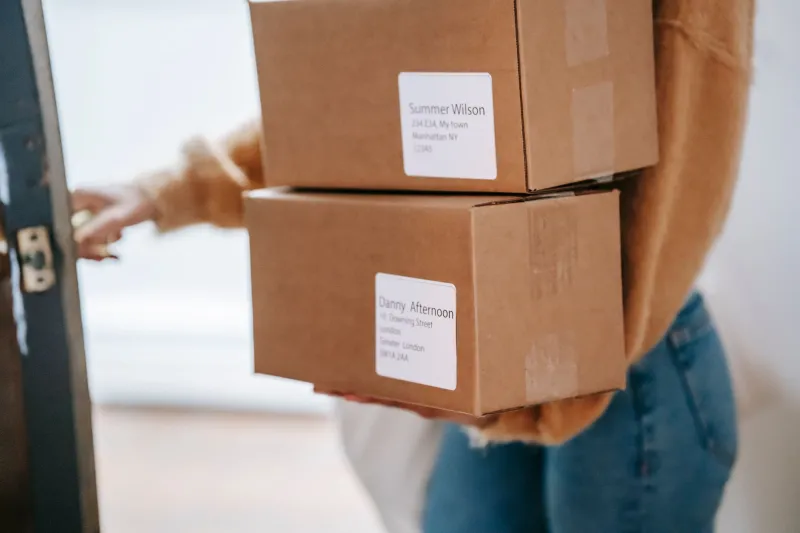
Ten years ago, getting a prescription meant driving to the pharmacy, parking, standing in line behind someone arguing about their insurance, and driving home. Now? Your antibiotics can show up faster than a pizza. Apps like DoorDash, Uber Health, and a wave of pharmacy-owned courier services have turned medication delivery into an on-demand business — and it's changing how Americans fill their scripts.
But here's the question nobody asks until the receipt arrives: what is that convenience actually costing you?
The New Delivery Landscape
Same-day prescription delivery used to be a courtesy your local pharmacy offered for free if you were a regular. That world is fading. Today you've got three main players:
- Gig delivery platforms — DoorDash and Uber now partner with pharmacies like Walgreens and CVS in select markets, using the same couriers who bring your burrito bowl.
- Pharmacy-owned services — chains like CVS and Walgreens run their own courier programs, often integrated into their apps.
- Pharmacy-first startups — companies like Alto and Capsule built their entire model around delivery, bundling it into the pricing.
Each one structures fees differently, and that's where things get murky.
Where the Fees Hide
A $7.99 delivery fee sounds reasonable until you read the fine print. On top of the base charge, you might encounter:
- Service fees that scale with your order total
- Marked-up medication pricing, especially if you're paying cash instead of using insurance
- Tipping, which for prescription delivery is a genuinely awkward gray area
- Membership requirements on some platforms that waive delivery fees only if you're paying $10–15 a month
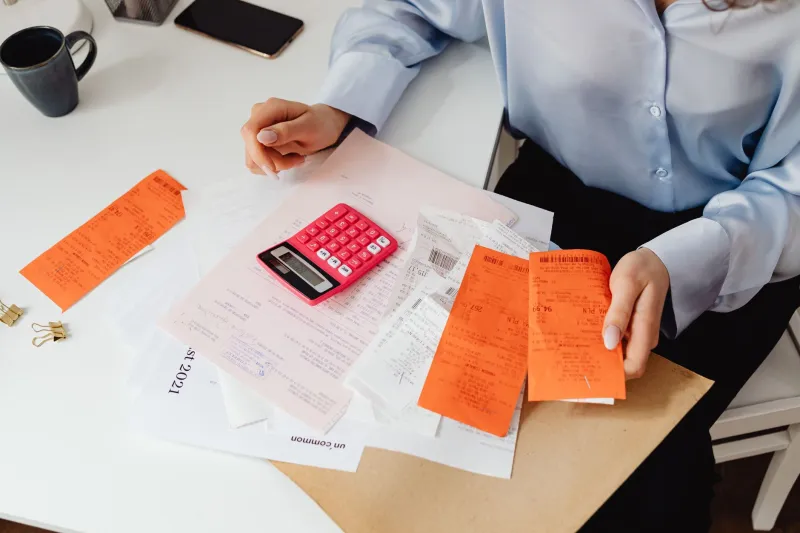
We compared cash prices on three common generics — atorvastatin, amoxicillin, and sertraline — across pickup and delivery. Pickup, using a discount card, ran $4–$12 total. Delivery through a gig app added anywhere from $9 to $18 in fees and inflated pricing, even after the discount card was applied. On a $6 medication, that's a 200% convenience tax.
When Delivery Is Worth It
Let's not pretend delivery is a scam. There are very real scenarios where it's the right call:
- You're homebound, immunocompromised, or managing a condition that makes travel hard
- You're a caregiver juggling kids, work, and a parent's meds
- You live in a pharmacy desert — yes, they exist in rural America, and delivery can be a lifeline
- It's an urgent script and the pharmacy closes before you can get there
If a $12 delivery fee is the difference between taking your medication and skipping it, pay the $12. Full stop.
When Pickup Wins
If you're healthy enough to swing by the store, the math rarely favors delivery. A few tips to keep costs down:
- Ask about free local delivery first. Many independent pharmacies still offer it, no app required.
- Batch your refills. Some pharmacies will sync multiple prescriptions so one delivery covers everything.
- Check whether your delivery fee is really a markup. Compare the itemized price of the medication itself against what you'd pay at the counter.
- Skip the membership unless you order monthly. The math only works for chronic, recurring prescriptions.
The Bottom Line
Same-day prescription delivery is a genuinely useful service that occasionally gets priced like one and sometimes priced like a luxury. Before you tap "deliver," do a 30-second comparison: pickup price with your discount card versus the delivered total, fees included. Your wallet — and occasionally your safety — depends on knowing which one you're choosing.