Split Decision: When Halving a Tablet Saves Money—and When It’s a Bad Bet
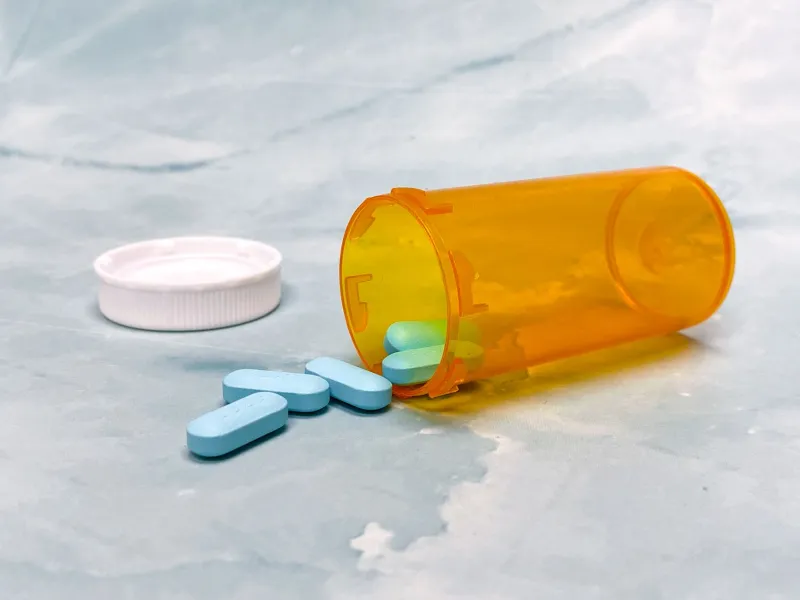
Pill splitting has a certain DIY charm. You buy a $4 splitter, crack a 40-milligram tablet in two, and suddenly a 30-day supply looks like a 60-day supply. For anyone staring down a $200 copay, the appeal is obvious. But the trick only works when the tablet, the prescription, and your prescriber all cooperate. Otherwise, you’re not stretching your meds—you’re gambling with them.
Why a split tablet can feel like a loophole
Insurance often prices by the fill, not by the milligram. A 30-day supply of a higher-strength tablet may cost the same copay as a lower strength—or less than two lower-dose tablets. If your doctor has prescribed 20 mg daily and writes for 40 mg tablets with instructions to split, you could turn 30 tablets into a 60-day runway. That’s the fantasy. The reality depends on the drug.
Some tablets are designed to be divided. They’re scored, sturdy, and release medication predictably. Many others are not. A scored line is a hint, not a guarantee.
The tablets you should never split
Start with the obvious no-go list. Extended-release tablets—often labeled ER, XR, XL, SR, or LA—are engineered to release medicine slowly. Cutting them can dump the whole dose at once. Enteric-coated tablets protect the stomach or the drug itself; split them and the coating fails. Capsules, gelcaps, and liquid-filled softgels can’t be split at all.
Then there’s the narrow therapeutic index crowd: warfarin, levothyroxine, digoxin, lithium, and many anti-seizure drugs. For these, a small difference in dose can mean a big difference in effect. If a half-tablet is slightly bigger than the other half, you may get more or less drug than intended. That’s not a savings win; that’s a safety problem.
Other poor candidates include sublingual or buccal tablets, chemotherapy drugs, hormones, and any tablet with a coating that shouldn’t be broken. If the label says ‘do not crush or split,’ believe it.
The math that actually matters
Let’s run a simple comparison. Suppose your prescription is for 20 mg daily. Option A: 30 tablets of 20 mg at a $10 copay, or $15 cash with a discount card. Option B: 30 tablets of 40 mg at the same $10 copay—then split each tablet. Option B gives you 60 doses for $10, so your cost per day drops from about 33 cents to 17 cents. That’s real money over a year.
But check the fine print. Insurance may charge a different copay for the higher strength. Cash prices can be weird: sometimes the 40 mg tablet costs more than the 20 mg, sometimes less. A discount card like GoodRx may quote a lower price for one strength and a higher price for the other. And if your plan requires a new prior authorization or a quantity limit for the higher dose, your ‘savings’ could vanish in paperwork.
Also compare two lower-dose pills against one higher-dose split. If your dose is 20 mg and the 10 mg tablets are cheap, taking two 10 mg tablets might cost less than splitting a 40 mg tablet—especially if the 40 mg is brand-name and the 10 mg is generic. Run the numbers for a 90-day supply, not just one month. The cheapest per-pill price isn’t always the cheapest per-day price.
Why your prescriber’s okay isn’t a rubber stamp
Splitting a tablet changes the dose you’re actually taking. That’s a prescribing decision, not a coupon trick. Ask your doctor or pharmacist before you start. They can tell you whether the tablet is scored, whether it’s extended-release, and whether the drug has a narrow therapeutic index. They may also need to write a new prescription for the higher strength with instructions to split. Some states and insurers require that specific wording.
Don’t split a tablet just because a friend does it with a different medication. And don’t split to create a dose your doctor hasn’t approved. If your prescription says 10 mg and you split a 20 mg tablet, you’re not saving money—you’re self-adjusting your dose.
If you and your clinician decide to split
Use a proper pill splitter, not a kitchen knife. Split one tablet at a time unless your pharmacist says otherwise. Wash your hands, keep the halves in a labeled container, and don’t mix different medications. If a tablet crumbles or splits unevenly, don’t guess—ask the pharmacist for a different approach. And if you have trouble seeing or handling small tablets, splitting may not be worth the risk.
The bottom line
Pill splitting can be a legitimate way to stretch a prescription dollar, but only for the right tablet and the right prescription. Check the drug’s formulation, get your prescriber’s sign-off, and compare the real cost of one higher-dose tablet against two lower-dose tablets. The goal isn’t a clever hack. It’s a cheaper, safer fill.
At Medicine Online Offer, we’re all for trimming your Rx bill—but not at the expense of your health. Talk to your pharmacist before you split.