The Headline Says Negotiated. Your Receipt Says Otherwise: A 2026 Medicare Copay Check

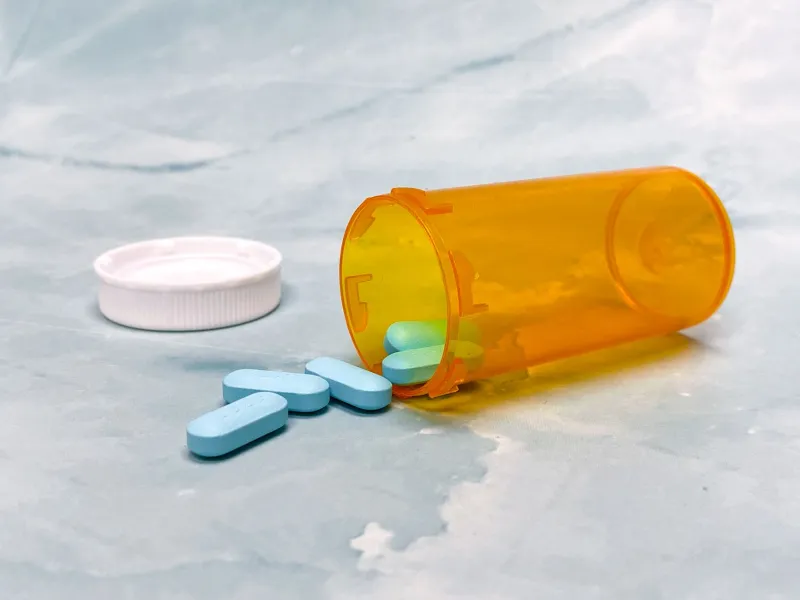
Photo: bluesbby from Mountain View, USA, CC BY 2.0, via Wikimedia Commons
If you take a brand-name drug that made Medicare's first negotiation list, you've probably seen the headlines: prices are live for 2026. It sounds like a straight line from Washington to your wallet. In reality, the checkout counter has its own math. Your copay depends on your plan's formulary, your deductible, the pharmacy you use, and whether your plan applies a flat copay or a percentage coinsurance. The negotiated price is a ceiling on what Medicare pays and what you pay, not a promise that your receipt will look dramatically different.
That's not a reason to shrug. It is a reason to check. As of this November, the first wave of negotiated prices has been running since January 1, 2026. If you haven't looked at your actual 2026 costs since open enrollment, now is a good time to do a quick audit before the year flips again.
Which drugs are in the first wave
The first ten drugs with negotiated prices for 2026 are Eliquis, Jardiance, Xarelto, Januvia, Farxiga, Entresto, Enbrel, Imbruvica, Stelara, and Fiasp/NovoLog (insulin aspart). If you take one of these, the negotiation matters. But it matters through your plan's benefit design, not in a vacuum.
Plans are required to cover these drugs, but they can still place them on different tiers. A tier 3 brand drug might have a 25% coinsurance, while a tier 2 preferred brand might have a flat $47 copay. Same drug, same negotiated price, very different receipt. That's why two neighbors on Medicare can both take Eliquis and pay wildly different amounts.
Why your copay may not match the headline
Start with the deductible. Some Medicare drug plans have a deductible before cost sharing kicks in. If you're in that phase in January or after a plan change, you may pay more upfront even though the negotiated price is lower.
Then look at coinsurance versus copay. A percentage sounds harmless until you're dealing with a specialty drug. If your plan charges 30% coinsurance and the negotiated price is still several thousand dollars a month, your share can sting. A flat copay is more predictable, but it isn't automatically cheaper.
Pharmacy choice is the third lever. Many plans have preferred pharmacies with lower cost sharing and standard pharmacies with higher cost sharing. Mail-order can be cheaper for 90-day fills, or it can be a wash once you factor in timing and shipping. If you switched pharmacies this year without checking the network, you may be paying the standard rate for no good reason.
Finally, utilization rules still apply. Prior authorization, step therapy, and quantity limits don't disappear because a drug was negotiated. If your plan wants you to try a different drug first, the negotiated price won't help you skip that process.
The three-price test
When you want to know whether you're getting a good deal, price the same prescription three ways.
First, get your plan's number. Log into your Medicare plan account or use Medicare Plan Finder to look up your drug. Check the tier, deductible status, and estimated cost at your current pharmacy. If the tool shows a range, call the plan and ask for a specific estimate for a 30-day and 90-day supply.
Second, ask the pharmacy for the cash price. Not the insurance price. The cash price. It sounds old-school, but some pharmacies have cash prices that beat a plan's coinsurance, especially for generics and some brand drugs. Ask whether the cash price changes with a discount card like GoodRx or a pharmacy's own savings program.
Third, check an online pharmacy offer if you're comfortable with one. A legitimate online pharmacy may show a lower cash price for the same drug, but compare the total: shipping, membership fees, and whether the price applies to a 90-day supply. A $10 lower sticker price can vanish after shipping.
Where online pharmacy offers still fit
A negotiated Medicare price can be a strong deal, but it isn't always the lowest cash price in the room. Some online pharmacies and discount-card programs negotiate their own rates with pharmacies. For certain drugs, especially generics or lower-cost brands, a cash price through a discount card can beat your plan's copay. For specialty drugs, the gap usually favors insurance, but not always.
The catch is safety. Use online pharmacies that are licensed in your state and verified through a recognized program like VIPPS. They should require a valid prescription and have a real pharmacist you can reach. If a site promises no prescription needed or sells controlled substances without a consultation, close the tab. A cheap price is not worth a counterfeit pill.
Also remember that manufacturer copay cards generally don't work with Medicare. Patient assistance programs are different and income-based. Don't assume you can stack a copay card on top of your Part D plan.
Don't forget Extra Help
If your income is limited, Medicare's Extra Help program can lower your premiums and copays beyond the negotiated price. State pharmaceutical assistance programs may add another layer. These programs are separate from the negotiation headlines, and they're easy to overlook. A benefits counselor at your local Area Agency on Aging can help you check eligibility.
A practical call script
When you call your plan, ask: Is this drug on my formulary? What tier? Does my deductible apply? Is my pharmacy preferred? Is there a prior authorization or quantity limit? What is my estimated 2026 cost at my current pharmacy and through mail order?
When you call the pharmacy, ask: What is the cash price without insurance? What is the price with this discount card? Is there a lower-cost 90-day option?
Write down the answers. Compare them once. Then set a calendar reminder for next fall. The negotiated price is a real change, but your job is still to check the receipt.
The bottom line
Medicare's first negotiated prices are a genuine shift, not a magic wand. Your copay can fall, stay flat, or even rise if your plan changes tiers or pharmacies. The smart move is to audit your actual 2026 cost against cash prices and legitimate online pharmacy offers. If your plan wins, keep it. If a discount card or verified online pharmacy beats it, use the cheaper option with your eyes open. The headline is national. Your savings are personal.