Same Drug, Different Price: How the 340B Program Could Slash Your Hospital Pharmacy Bill

Photo: Altair Netraphim, CC BY-SA 4.0, via Wikimedia Commons
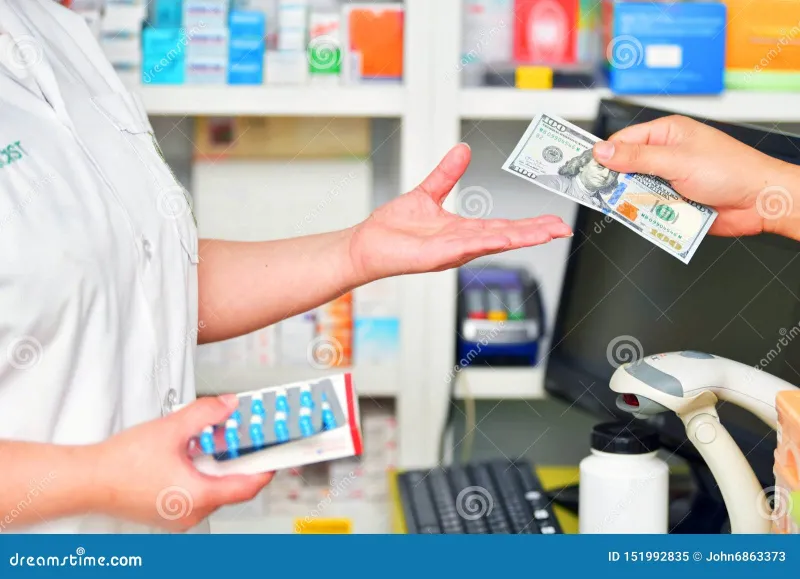
Here's a scenario that plays out every day in America: a patient gets a prescription from their oncologist, walks to the hospital pharmacy attached to the clinic, and gets quoted $120 for a month's supply. Their neighbor, filling the identical script at a community health center across town, pays $15. Same drug. Same dose. Same manufacturer. What gives?
The answer is a federal program most patients have never heard of: 340B. And understanding it might be the single most underrated money-saving move in healthcare.
What 340B Actually Is
Enacted in 1992, the 340B Drug Pricing Program requires drug manufacturers to sell medications at steep discounts — often 25% to 50% off — to certain safety-net healthcare providers. The idea is simple: clinics and hospitals that serve low-income and uninsured populations get to buy drugs cheaply, stretch their resources further, and help more patients.
Qualifying entities include community health centers, HIV/AIDS clinics, certain rural hospitals, and children's hospitals. When you fill a prescription through one of these covered entities, the pharmacy can pass along some or all of that discount to you.
Why the Price Gap Exists
So why doesn't everyone get the discount price? Because 340B savings aren't guaranteed to flow to the patient. The covered entity buys the drug at a discount but can often be reimbursed at the full rate — keeping the difference to fund operations. Some hospitals pass savings along generously; others don't.
That's why the same drug can carry wildly different price tags depending on where you fill it:
- Hospital outpatient pharmacies (even 340B-covered ones) frequently charge the highest prices, tied to hospital chargemaster rates
- Community health center pharmacies often offer the deepest discounts, especially for uninsured patients
- Independent retail pharmacies vary, but may contract with 340B entities to dispense at discounted rates
How to Legally Route Your Prescription Through 340B
You don't need to be on Medicaid or prove hardship to benefit — but you do need to be a patient of a qualifying entity. Here's your checklist:
-
Search for FQHCs near you. Federally Qualified Health Centers are the most common 340B covered entities. HRSA's website has a finder tool. Many operate on a sliding scale regardless of insurance status.
-
Establish care. You generally need to be an established patient of the covered entity for your prescriptions to qualify. Many FQHCs accept most insurance, including Medicare and Medicaid.
-
Ask where to fill. Once you're a patient, ask which pharmacies are contracted with their 340B program — often a nearby retail pharmacy that dispenses at 340B rates.
-
Compare out-of-pocket costs. Ask for the cash price with the 340B discount applied versus your insurance copay. For generics especially, the discount price frequently wins.
-
Recheck annually. Contract pharmacies and program participation change. The cheapest option last year may not be this year.
Who Benefits Most
340B routing tends to shine for uninsured and underinsured patients, people on expensive brand-name drugs without a manufacturer copay card, and anyone with a high-deductible plan. It's less useful if you have a $5 copay on everything — but for the millions of Americans paying hundreds out of pocket each month, it's a legitimate, legal path to lower costs.
One caveat: 340B discounts can't be combined with insurance claims in most cases. You're choosing one payment route or the other, so always compare before committing.
The Takeaway
Hospitals and clinics operating under the same program can charge radically different prices for the same pill. That's not a reason to be cynical — it's a reason to shop smart. Find your nearest community health center, ask about their pharmacy program, and see what the 340B discount looks like on your medications. Fifteen dollars beats a hundred and twenty. Every time.