Skip the Copay: Why the $4 Generic Lists at Walmart and Publix Might Be Your Cheapest Option
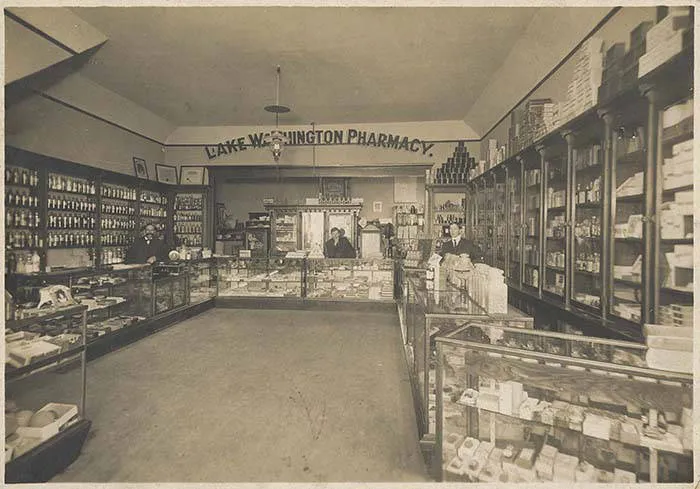
Photo: Hamilton, A. L., Public domain, via Wikimedia Commons
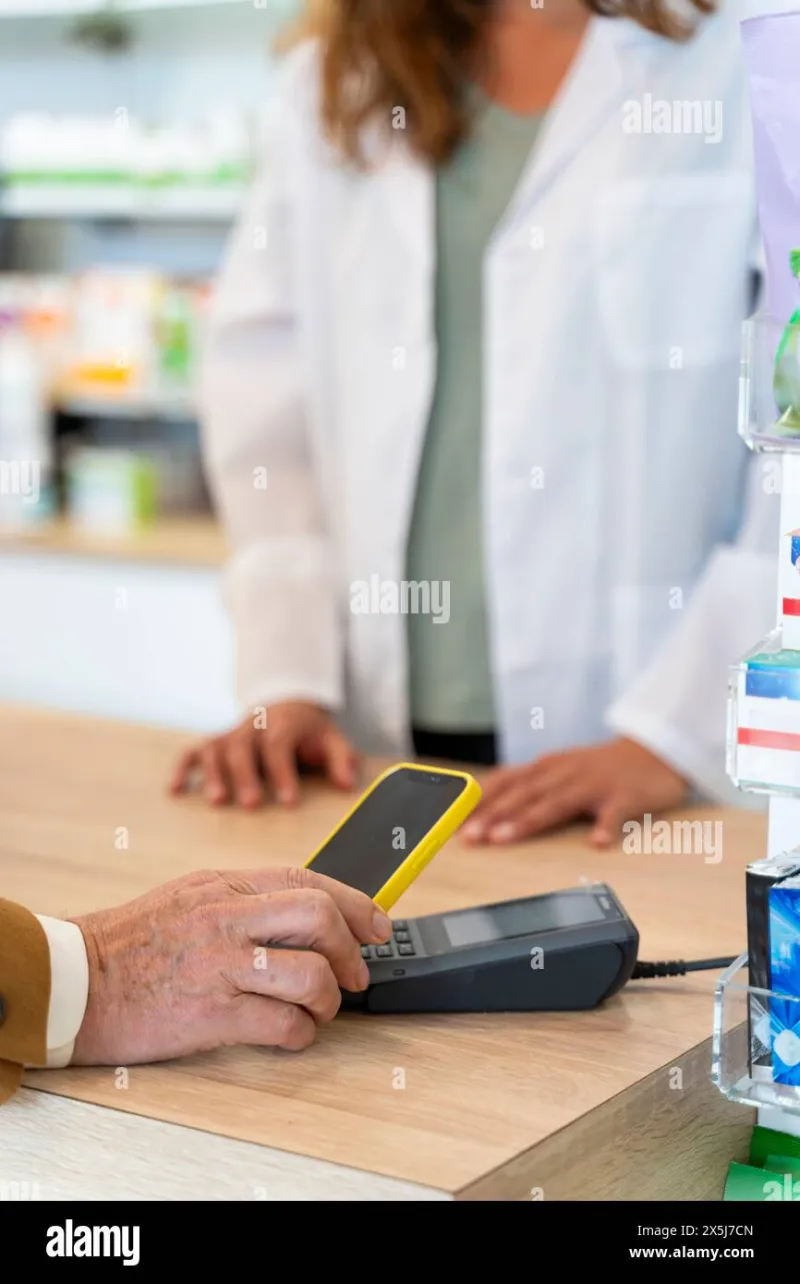
Here's a scenario that plays out at pharmacy counters every single day: a customer hands over a $25 insurance copay for a generic medication that's sitting on the shelf at $4. Nobody tells them. Not the cashier, not the system, and often not the pharmacist either.
Cash-price generic lists — sometimes called discount drug lists or $4 formularies — are one of the worst-kept secrets in American healthcare that somehow stays secret anyway. If you fill regular prescriptions for common conditions, this could be the easiest money you save all year.
What Exactly Is a $4 Generic List?
Back in 2006, Walmart made headlines by offering a 30-day supply of roughly 300 generic medications for $4 each. Other chains followed: Publix, Kroger, Target (via CVS), and regional players like Wegmans and Hy-Vee rolled out their own versions. The idea was simple — get people in the door with cheap generics, and they'll buy groceries and everything else too.
The lists are still around, though they've quietly evolved. Most now work on a tiered structure:
- 30-day supply: often $4 to $10 for hundreds of generics
- 90-day supply: typically $10 to $12 for select medications
- Extended lists: some chains charge $7.50 or $15 depending on the drug tier
Publix famously offers certain medications — including the widely used blood pressure drug lisinopril and the diabetes staple metformin — completely free with a 90-day supply, up to certain limits. Yes, free. It's a loss leader, and it's completely legitimate.
Side-by-Side: What Common Meds Actually Cost
Pricing varies by location and changes periodically, so always verify with your local pharmacy. But here's a general picture of how the big lists stack up for common conditions:
| Medication | Typical Use | Walmart (30-day) | Publix | Kroger |
|---|---|---|---|---|
| Lisinopril | Blood pressure | $4 | Free (90-day) | $4–$10 |
| Amlodipine | Blood pressure | $4 | Free (90-day) | $4–$10 |
| Metformin | Type 2 diabetes | $4 | Free (90-day) | $4–$10 |
| Glipizide | Type 2 diabetes | $4 | Free (90-day) | $4–$10 |
| Atorvastatin | Cholesterol | $9–$12 | Varies | $7.50–$15 |
| Levothyroxine | Thyroid | $4–$9 | Varies | $4–$10 |
| Sertraline | Depression/anxiety | $4 | Varies | $4–$10 |
Notice anything? For the first four drugs, paying a typical $10–$25 insurance copay would be like voluntarily tipping your pharmacy 250%.
The Catch: Your Insurance Might Not Let You Use It
Here's where things get slightly complicated — and why so many people overpay without realizing it.
When you hand over insurance information at the pharmacy, the claim processes through your plan, and the copay is what it is. You generally can't tell the pharmacist "use my insurance for this prescription but charge me the cash price instead." It's one or the other.
That's fine for most people, but there's a wrinkle: if you have a high-deductible health plan paired with an HSA or FSA, paying cash usually means that amount won't count toward your deductible, and reimbursement can get clunky. Some plans also track medication adherence — blood pressure or diabetes meds you fill through insurance — for quality programs.
The practical move? Ask your pharmacist directly: "What's the cash price on this without insurance?" A good pharmacist will run both numbers. For a $4 generic, the math almost always favors cash — and many people simply pay cash for cheap generics and save their insurance for the expensive stuff.
Who Benefits Most
Cash generic lists shine for:
- Uninsured Americans — obviously, but the savings are real and immediate
- Anyone with a high copay tier — some plans charge $15 or $25 even for generics
- People in Medicare Part D coverage gaps — cash price may beat your discounted rate
- Households with multiple prescriptions — $4 × 4 meds beats $10 × 4 meds every time
- Pet owners — yes, many of these same generics (like lisinopril for dogs with heart conditions) work for pets too. Ask your vet.
How to Actually Use These Lists
- Check the current list online. Walmart, Publix, and Kroger all publish theirs. Search "[chain name] $4 generic list."
- Match your medications. Look for the exact drug AND dose. Not every strength is on every list.
- Tell the pharmacist you want the cash price. Say it clearly: "I'd like to pay cash using your discount generic program, not run it through insurance."
- Ask about 90-day fills. The extended-supply pricing is where the per-month cost really drops.
- Compare against a discount card anyway. Occasionally a GoodRx-style card beats the list price on a drug that isn't on the formulary. Running both numbers takes 30 seconds.
One More Thing: Price-Matching Is Alive and Well
Even if your favorite pharmacy isn't the one with the famous list, it never hurts to ask if they'll match a competitor's price. Independent pharmacies in particular often have flexibility you wouldn't expect — especially if you're a regular customer bringing them all four of your family's prescriptions.
The bottom line: your copay is a ceiling, not a floor. For common generics, the cheapest price in town is often sitting in plain sight on a laminated list at the pharmacy counter — you just have to know to ask for it.