When the Ice Packs Fail: Getting Your Money Back From a Bad Online Pharmacy Delivery
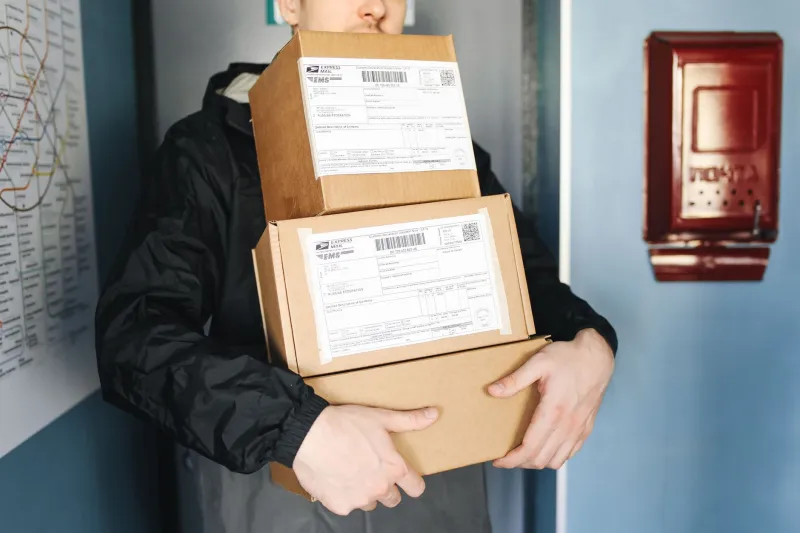
You paid for the cold-chain upgrade. You watched the tracking number bounce from a sorting center to a truck to “delivered.” Then the box landed—six hours late, or on the wrong porch, or with ice packs that felt like warm soup. For most purchases, that is a customer-service annoyance. For insulin, biologics, or any temperature-sensitive medicine, it is a health risk and a real financial hit.
At Medicine Online Offer, we look at delivery failures through the same lens as any other prescription expense: what did you pay for, what did you get, and what is the cleanest way to close the gap? Here is the practical version of what to do next, in the order that tends to work.
Start With the Box, Not the Phone
The first hour matters more than the first angry email. Before you toss the packaging or call support, build a small evidence file.
- Photograph the outside of the box, the shipping label, and the tracking scan that says delivered.
- Photograph the inside: gel packs, insulation, temperature indicator, and the medication packaging.
- Note the time the carrier says it was delivered and the time you actually found it.
- Save the packing slip and any insert that mentions shipping or returns.
- If you have a doorbell camera or a neighbor’s account of the drop-off, save that too.
Do not use medication that arrived warm, cloudy, or outside its labeled storage range. Call your prescriber or pharmacist for guidance. A refund claim and a safety question are separate tracks, and you can work both at once.
Read the Shipping Promise Like a Contract
Online pharmacies use very different language for delivery guarantees. Some promise a delivery window. Some promise cold-chain packing. Some promise a refund only if you report the problem within 48 or 72 hours. Others quietly exclude weather delays, address errors, and packages marked delivered but stolen.
Find the terms you agreed to at checkout and screenshot them. Look for four things: the stated delivery window, the temperature-packaging promise, the claims deadline, and whether the remedy is a refund, a replacement, or store credit. A carrier’s guarantee is not the same as the pharmacy’s guarantee. The carrier may refund shipping; the pharmacy is the one that sold you the medicine.
If the shipment was late but the medicine is still usable, ask for a shipping refund or a partial credit. If the shipment was late and the cold chain failed, ask for a replacement—not a coupon. In 2026, most reputable online pharmacies can see the same tracking data you can, so a vague “carrier delay” is not a complete answer.
The First 24 Hours: Open a Ticket, Not a Chat
Chat support is fine for a quick question. It is a poor record for a refund claim. Open a ticket through the pharmacy’s portal or send an email so you have a timestamped paper trail.
Keep the message short and factual:
- Order number and tracking number.
- Delivery date and time, plus what went wrong.
- Photos attached.
- The remedy you want: full refund, replacement, or shipping refund.
- A reasonable deadline for a response, such as two business days.
Ask for a claim or ticket number. If the first reply is a template, reply once with the specific policy language you are relying on. Do not send ten messages in an hour; a clean timeline is more useful than volume.
Escalate Without Burning the Clock
If chat stalls, move up one level. Send a formal email to the pharmacy’s customer-service address and, if one is listed, its complaints or pharmacy manager contact. Use a subject line like “Refund claim—order [number]—temperature-sensitive shipment.” Attach the same photos and state the facts in chronological order.
Ask for a written denial if they will not pay. A written denial is useful for a card dispute because it shows you tried to resolve the issue directly. Keep every reply. If the pharmacy is licensed in your state, you can also ask whether it has an internal patient-safety or quality complaint process. That is not a threat; it is a paper trail.
If you paid with an HSA or FSA card, ask for the refund to go back to that card. If insurance paid part of the claim, ask how the refund will be handled so you are not stuck with a credit you cannot use.
When a Chargeback Becomes the Right Tool
A credit-card chargeback is designed for exactly this kind of mess: goods paid for but not received, goods that arrived damaged, or services that were not delivered as described. It is not a magic wand, and it is not the first move if the pharmacy is still responding in good faith.
Before you file, gather the order confirmation, tracking history, photos, support emails, and the pharmacy’s own shipping policy. Contact your card issuer and ask about its dispute window. The federal Fair Credit Billing Act generally gives you 60 days from the statement date to dispute a billing error, and card-network rules can allow longer for some claims—but do not assume. Check your issuer’s deadline in writing.
Say clearly that you contacted the merchant first and what they offered. If the pharmacy already refunded you, do not file a chargeback for the same amount. If the package was stolen after delivery, ask the carrier and local police what documentation they need; some card issuers treat porch theft differently from a lost shipment.
The Temperature Problem Deserves Its Own File
For insulin, biologics, and other cold-chain drugs, “late” is not the only issue. Heat exposure can make a product unsafe even if the box looks fine. If there is a temperature indicator, photograph it before you open anything else. If there is no indicator, note how warm the gel packs were and how long the package sat outside.
Ask for a replacement shipment with a signature requirement or a pickup point if porch delivery is unreliable. A refund that takes two weeks is better than no refund, but it does not solve your medication gap. Ask the pharmacy to overnight a replacement if the drug is urgent, and ask your prescriber whether a local pharmacy can bridge you in the meantime.
Do not mail temperature-sensitive medication back unless the pharmacy explicitly tells you to and gives you a shipping label. Sending it back on your own can create a second dispute about whether the product was handled correctly.
A Simple Claim Checklist
- Report the problem in writing within the pharmacy’s stated window.
- Save photos, tracking, packing slip, and every support message.
- Ask for the remedy you actually need: replacement, refund, or both.
- Get a claim number and a written denial if the answer is no.
- Check your card issuer’s dispute deadline before it expires.
- Keep the medication out of use if the temperature chain failed.
- Follow up once, politely, with a deadline.
- Do not accept store credit for a safety failure unless you genuinely want it.
The goal is not to punish a pharmacy for a bad week. It is to make sure you are not paying for a shipment that failed the one job you needed it to do. A calm, documented claim is usually the fastest route to a refund—and the strongest backup if the conversation turns into a chargeback.