The Patent Cliff Playbook: Why Waiting a Few Months Could Cut Your Drug Bill in Half
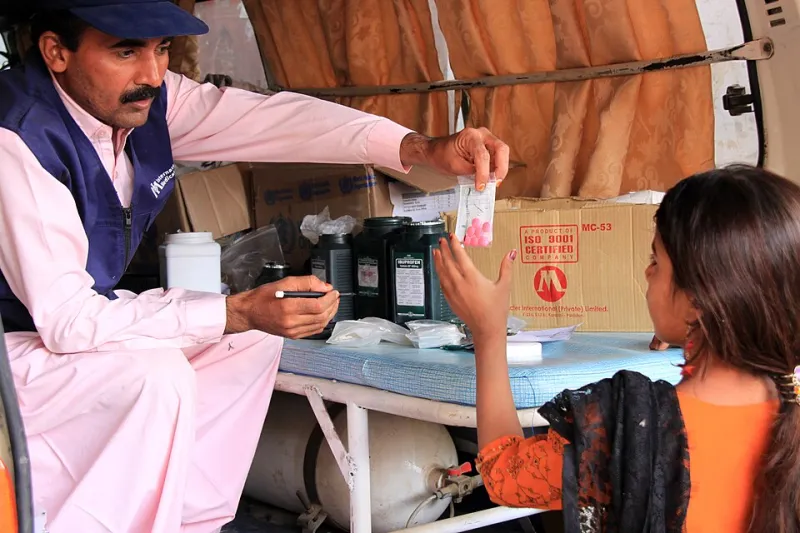
Photo: DFID - UK Department for International Development, CC BY 2.0, via Wikimedia Commons
Every so often, the pharmaceutical industry hits what insiders call a "patent cliff" — a stretch of years when some of the best-selling drugs in America suddenly lose their exclusive protections and cheap generics come flooding in. For the drugmakers, it's a revenue crisis. For patients, it's one of the rare moments when the system works in your favor.
But here's the part most people miss: the savings don't happen automatically. You have to ask, you have to time it, and you have to know a few quirks about how generic competition actually unfolds. Get it right, and you can shave hundreds of dollars a year off a single prescription.
How a Patent Cliff Actually Works
Drug patents typically give a manufacturer roughly 20 years of protection from filing, though lawsuits, pediatric exclusivity, and other maneuvers often extend effective market exclusivity further. When the protections expire, other manufacturers can legally sell the same molecule as a generic.
The price drop doesn't happen overnight, though. With only one or two generics on the market, prices often fall just 15–25%. But when multiple manufacturers enter — the threshold is generally six or more — competition kicks in hard, and prices routinely fall 80–90% off the brand price. This is why the timing of your switch matters as much as the switch itself.
The Big Names on the Radar
A handful of blockbusters are approaching or entering their patent-cliff window, and these are the conversations worth having with your doctor:
- Eliquis (apixaban) — a wildly prescribed blood thinner, with generic competition expected in the next few years as patent settlements resolve
- Jardiance (empagliflozin) — a heart failure and diabetes workhorse heading toward the same fate
- Ozempic and Wegovy (semaglutide) — the most anticipated cliff in decades; while semaglutide's key patents run into the early 2030s in the US, legal challenges and settlement deals could shift timelines, so this one is worth tracking
Patent timelines shift constantly based on litigation and FDA approvals, so treat any specific date you read as an estimate. The reliable source is your pharmacist, who sees generic approvals land in real time.
How to Work the Transition
Step 1: Ask the question directly. At your next appointment, try: "Is there a generic or authorized generic for this coming soon, and should we plan for it?" Doctors and pharmacists field this constantly — it's not a pushy question, it's a smart one.
Step 2: Don't switch mid-cycle if you can help it. Ideally, transition to a generic when you're due for a refill so you're not paying for both. For drugs with narrow therapeutic windows — blood thinners, seizure medications, thyroid meds — ask whether your doctor wants to monitor anything after the switch. Generics contain the same active ingredient, but inactive ingredients differ, and a small number of patients notice differences.
Step 3: Know the first-generic trap. The first company to challenge a patent often gets 180 days of exclusive generic sales — and oddly, that first generic can be pricier than the brand with a discount card applied. Ask your pharmacist to compare the brand price (with a discount card), the authorized generic, and any competing generics. Sometimes the answer is "stay on brand for now," and that's a legitimate answer.
Step 4: Stack your savings. Once multiple generics hit the market, that's when discount cards and cash pricing get dramatic. A drug costing $500/month at brand can fall to $20 or less. At that point, check whether your insurance copay is actually higher than the cash price — it happens more often than you'd think, especially as plans adjust their formularies on a lag.
A Safety Note Worth Repeating
FDA-approved generics are held to the same standards for active ingredient, strength, and quality as the brand. That's not marketing spin; it's the law. What you should not do is buy from overseas websites claiming to sell "pre-approval" generics of drugs still under patent — those are unregulated, potentially counterfeit, and a genuinely bad idea. Patience plus a licensed pharmacy is the safe path to the savings.
The Takeaway
You don't need to memorize patent numbers. You just need to build one habit: whenever you're prescribed a brand-name drug, ask when a generic is expected. Write the answer down. Check back at your annual visit. That single question, asked consistently, is one of the highest-return moves in all of prescription savings — no coupon clipping required.