The Pharmacy Said 'Pending.' Here's What the Next Three Days Should Look Like

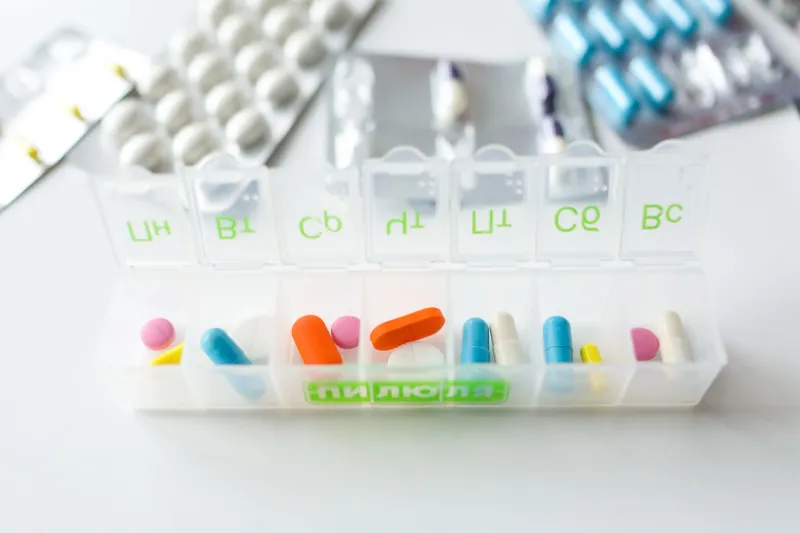
Photo: Thad Moyseowicz, Public domain, via Wikimedia Commons
There's a particular kind of silence that follows the words "it's pending prior authorization." The pharmacy tech says it politely, the file goes into a digital holding pen, and your refill — the one that's supposed to keep your blood pressure, your blood sugar, or your mood on an even keel — just stops moving.
Here's the thing worth internalizing before you pick up the phone: pending is not the same as denied. A pending request isn't supposed to sit for a month, and it isn't supposed to sit for a week either. For most insured Americans, there's a legal timer running in the background. Your job in the first 72 hours is to make sure the clock is actually ticking — and to build a fallback in case it isn't.
This is the plan we'd hand a friend. Three days, a handful of calls, and one sheet of paper.
Hour Zero: Figure Out What Kind of Stall This Is
Before you dial anyone, get clear on the species of problem. Ask the pharmacy three questions, word for word:
- "Is a prior authorization request on file, and what's the submission date and reference number?"
- "Was it submitted as standard or expedited?"
- "Has the plan requested additional clinical information, or is it simply awaiting review?"
Write the answers down. A request that was never actually submitted is a completely different animal from one that's been sitting at the plan for nine days — and pharmacies do occasionally lose track between the counter and the fax machine.
If the drug is urgent in the clinical sense — insulin, an anticoagulant, seizure medication, anything where a gap of days matters — say so explicitly. That single word changes the timeline. Medicare Advantage plans must decide expedited requests within 72 hours, and standard ones within 72 hours as well for Part D drugs, while many commercial plans follow the ERISA rulebook: 72 hours for urgent, up to 15 days for non-urgent. Urgent is a magic word, but only if the request is flagged that way at intake.
Day One: Three Calls, In This Order
Call one: the prescriber's office. Not the front desk if you can help it — ask for the prior authorization coordinator or the medical assistant who handles pharmacy paperwork. Confirm the request went out, ask what clinical documentation was attached, and ask whether anyone there has a portal login to check status. Most prescriber offices now have real-time PA tools. A surprising number of "pending" cases are really "waiting on the office to send the chart note."
Call two: the insurance plan. Use the member services number on the back of your card, not the pharmacy's. Give them the reference number and ask two questions: what's the current status code, and what's the expected decision date? Get the representative's name and a call reference number. Those two pieces of information are worth more than any amount of polite persistence.
Call three: the pharmacy, to close the loop. Tell them what you learned. Ask them to note the account so the next person who opens your file sees it.
That's it for day one. No marathon hold sessions, no escalating to supervisors. Day one is reconnaissance.
Day Two: Send Paper, Not Vibes
If the plan says it's missing information, this is the day you make sure the missing thing arrives. Ask the prescriber's office to send — by fax and through the plan's provider portal, because faxes do disappear — three items:
- A letter of medical necessity naming the drug, the dose, and why the formulary alternatives are inappropriate for you specifically
- Relevant chart notes or lab values that support the request
- The specific diagnosis code and any step-therapy documentation
While you're at it, ask a separate question that people forget to ask: what are the plan's preferred alternatives, and what would they cost me? Sometimes the answer is a $12 generic that works nearly as well as the $480 brand. That's not a defeat — that's a bargain you found before you burned a week.
Day Three: Fight, Bridge, or Both
By day three you should know which of three lanes you're in.
Lane one — it's moving. The plan has a decision date within a day or two and the paperwork is complete. Wait, but start the bridge conversation anyway (more on that below).
Lane two — it's stuck. No decision date, no requested records, no movement. This is when you ask for a supervisor and use a phrase that tends to unfreeze things: "I'd like this escalated as an expedited review, and I'd like the denial reason in writing if it's denied." Then file a complaint with your state's insurance department if the plan blows past its own deadline. It's a fifteen-minute online form and it genuinely gets attention.
Lane three — it's a no. Denials come with appeal rights, and the internal appeal is usually free, fast, and winnable when the clinical letter is solid. You generally have 60 to 180 days depending on the plan, and Medicare Part D gives you 60 days for a redetermination. Don't sleep on it, but don't panic either.
The Cash Bridge Math Nobody Does
Here's where a lot of people lose money without realizing it. While the PA churns, they go without — or they pay the pharmacy's cash price, which is often the least favorable number in the entire system.
Before you do either, price the drug three ways: a discount card like GoodRx or SingleCare, a low-cost online pharmacy such as Cost Plus Drugs or a reputable Canadian-adjacent option if the drug qualifies, and the pharmacy's own cash price. For a common generic, the spread between those numbers can be 400%. For a 30-day bridge on a $9 discount-card price versus a $140 cash price, that's a decision worth ten minutes.
Two cautions. First, a cash fill usually doesn't count toward your deductible, so you're spending money outside the system — fine for a bridging quantity, less fine for a permanent workaround. Second, if you're on a brand drug with a copay card, check whether the card requires insurance to be billed first; if it does, a cash fill may not qualify.
And if your prescription originated from a telehealth visit or a pharmacist-prescribing arrangement, ask whether that clinician's office can help push the PA through. Some virtual care platforms include PA support in the visit fee, which is a quiet perk worth knowing about.
Keep a One-Page Log
Every call: date, time, who you spoke with, reference number, what they promised, and the date they promised it by. One sheet of paper, taped inside a folder. It takes ninety seconds per call and it turns a vague grievance into a documented timeline — which is exactly what an appeal reviewer and a state regulator both want to see.
A stalled prior authorization is a paperwork problem, not a medical one. Treat it like a project with a deadline, and the deadline stops being yours to lose.
This article is general information, not medical or legal advice. Talk to your prescriber before changing or pausing any medication.