The Great Discount Card Showdown: We Priced 5 Common Meds to Find the Real Winner
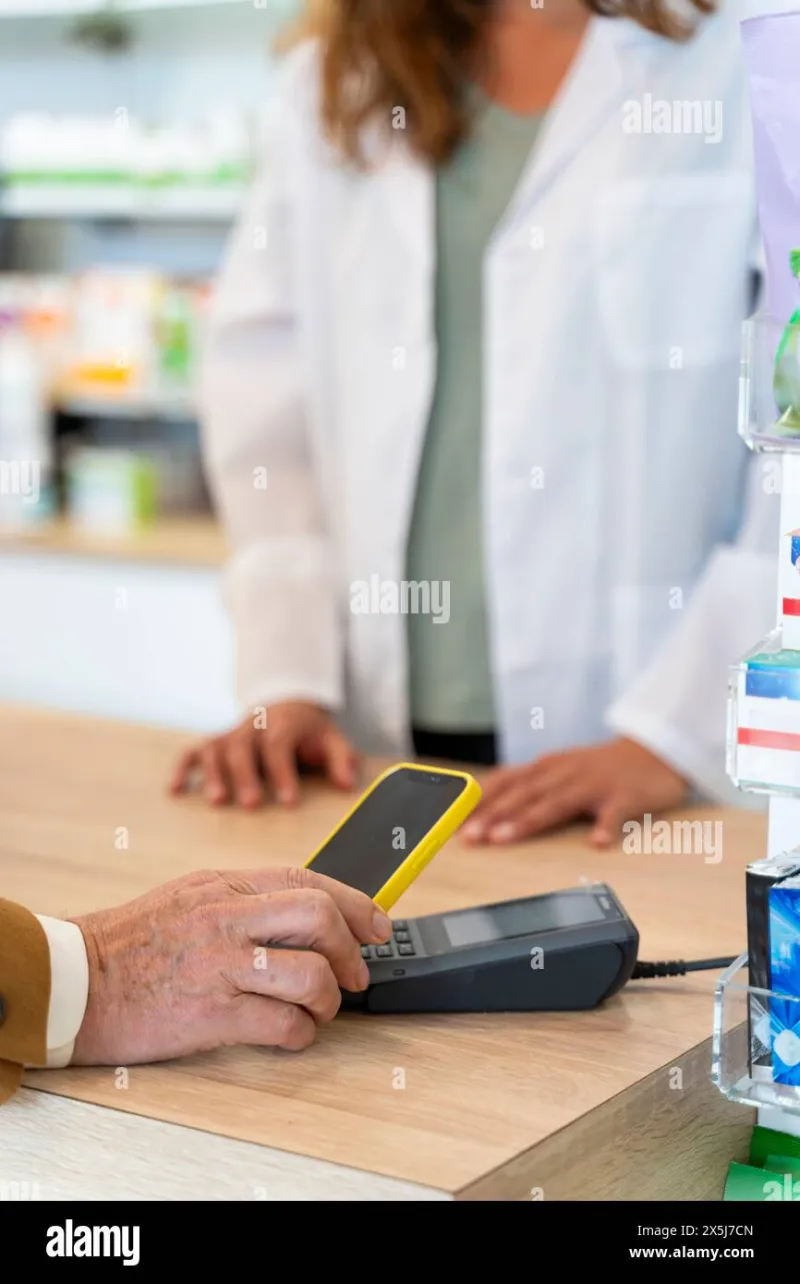
Photo: person comparing prescription prices on smartphone at pharmacy counter, via c8.alamy.com
Here's a fun little experiment: pull up GoodRx, SingleCare, and WellRx on your phone, type in the same medication, and watch three completely different prices pop up. Sometimes the spread is a few bucks. Sometimes it's enough to cover your grocery run for the week.
If you've ever wondered why, you're not alone. Prescription discount cards are one of the most misunderstood money-savers in American healthcare, and 2025's landscape is more crowded — and more confusing — than ever.
How These Cards Actually Work (The Short Version)
Discount platforms aren't charities, even if they feel like it. Companies like GoodRx and SingleCare negotiate with pharmacy benefit managers (PBMs) to secure group-rate pricing, then take a small cut of each transaction. You get a negotiated price that's often lower than your insurance copay, especially for generic drugs.
The catch? The "negotiated price" can vary by pharmacy, by zip code, and honestly, sometimes by the day. That's why comparison shopping isn't optional — it's the whole game.
The Big Players at a Glance
- GoodRx — The household name. Widest pharmacy network, plus a paid Gold membership for deeper discounts and free delivery options.
- SingleCare — Consistently competitive on generics, and its prices sometimes undercut GoodRx on the same drug at the same store.
- WellRx — Strong in grocery-store pharmacies and offers a savings wall with extra perks.
- Cost Plus Drugs (Mark Cuban's venture) — Not a card, but a direct-to-consumer pharmacy with transparent, cost-plus pricing that can be a game-changer for maintenance meds.
- Amazon Pharmacy — Bundled with Prime, worth checking if you already subscribe.
Real-World Price Checks
We compared cash prices across platforms for a 30-day supply at major chains:
- Atorvastatin 20 mg (generic Lipitor): Often $10–$15 with a card, versus $40+ cash at some counters. SingleCare frequently came in lowest here.
- Metformin 500 mg: Card prices routinely under $10. Honestly, this one's cheap everywhere — a good sanity check that your card is working.
- Escitalopram 10 mg: Ranged from $8 to $22 depending on platform and pharmacy. The spread is real.
- Insulin analogs (e.g., insulin glargine): Trickier territory. Manufacturer savings programs and the recent $35 monthly caps for many plans often beat discount cards, so check both routes before assuming a card wins.
When a Card Beats Your Insurance
Counterintuitive but true: your insurance copay isn't always the floor. If you've got a high-deductible plan, running a discount card as the "payer" can be cheaper than running the claim through insurance. Just know that card purchases typically don't count toward your deductible.
Stacking Your Way to Bigger Savings
- Check at least three platforms for your exact drug, dose, and quantity.
- Compare against your insurance copay and any manufacturer savings program.
- Ask the pharmacist to run the card price instead of insurance — they do this all day.
- For long-term meds, compare Cost Plus Drugs' shipped price against local pickup.
- Recheck prices every few months. Negotiated rates shift.
The Fine Print Nobody Mentions
Some cards exclude certain pharmacies. Others have usage limits or won't apply to controlled substances. And pricing can differ between a chain's two locations in the same town. Annoying? Yes. Avoidable with five minutes of comparison? Also yes.
The bottom line: there's no single "best" card for everyone. There's only the best card for your specific prescription, at your specific pharmacy, this month. Check every time — your wallet will thank you.