Your Pharmacy Receipt Has Three Codes Worth Checking Before You Shred It

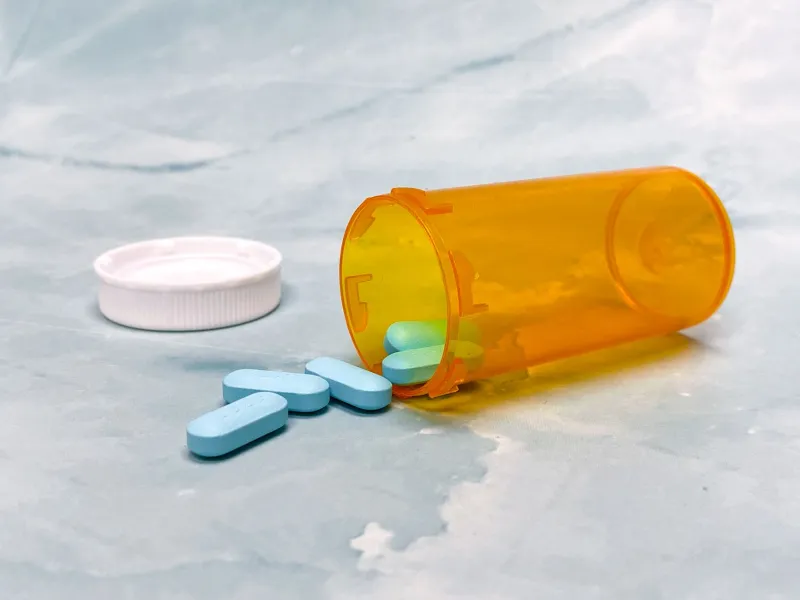
Photo by Photo by iMin Technology on Unsplash on Unsplash
Most people treat a pharmacy receipt like a grocery receipt: glance at the total, wince, and toss it in the bag. That is understandable. The print is tiny, the abbreviations look like they belong on a shipping label, and nobody wants to turn a five-minute pickup into a research project.
But a pharmacy receipt is not just a payment record. It is a pricing document. And three lines in particular—NDC, AWP, and U&C—can help you figure out whether you paid a reasonable amount or whether something went sideways. You do not need to decode every number. You just need to know what these three codes mean and when to ask a question.
The Receipt Is Not Trying to Be Mysterious
Pharmacies generate receipts for billing, insurance, and record-keeping, not for consumer clarity. That is why a receipt can show a copay of $18 while the cash price was $12, or a “plan paid” amount that seems wildly out of proportion to what you handed over at the counter.
The good news: once you know where to look, the receipt becomes a useful comparison tool. You can use it to check the same medication against an online pharmacy quote, a discount card, or a cash price at another store. You can also use it to spot a billing mistake before it repeats on your next refill.
NDC: The Drug’s Fingerprint
NDC stands for National Drug Code. It is a unique identifier for a specific drug product—including the manufacturer, the strength, the dosage form, and the package size. Think of it as the drug’s fingerprint. Two bottles can look identical and still have different NDCs if they come from different manufacturers or contain a different number of tablets.
This matters when you compare prices. A discount card quote for “atorvastatin 20 mg” is not enough information on its own. You need to know whether the quote is for 30 tablets or 90, whether it is the same manufacturer, and whether the package size matches what you actually need. The NDC on your receipt lets you make an apples-to-apples comparison instead of guessing.
If the NDC on your receipt does not match the medication you expected—different strength, different form, different package size—say something before you leave the counter. That is not a pricing question. That is a dispensing question, and it is worth resolving right away.
AWP: A Benchmark, Not a Bill
AWP stands for average wholesale price. It sounds official, and it is widely used as a pricing benchmark, but it is not the amount the pharmacy actually paid for the drug. It is also not necessarily the amount you should pay. AWP has been criticized for years as an inflated reference point, and different pricing services can publish different AWP figures for the same product.
So why does it show up on receipts and insurance explanations? Because plans and pharmacies often use it as part of a formula. A receipt might show AWP to explain how a negotiated rate was calculated, or to show the “list” price before discounts. That does not mean AWP is your fair price. It means AWP is one ingredient in a pricing recipe that is not always designed for your convenience.
When you see AWP on a receipt, do not panic and do not assume you were charged that amount. Look at what you actually paid, what your plan paid, and what the cash price would have been. AWP is context, not a verdict.
U&C: The Cash Price You Would Pay Without Insurance
U&C stands for usual and customary. In plain English, it is the pharmacy’s standard cash price for that prescription when no insurance or discount program is applied. This is one of the most useful numbers on the receipt because it gives you a baseline.
If your insurance copay is higher than the U&C price, that is a red flag. It can happen, especially with generic drugs that have low cash prices. In that situation, you may be better off asking the pharmacy to run the prescription as a cash sale or through a discount card instead of your insurance. Some pharmacies will do this automatically; others will not unless you ask.
U&C is also handy for comparison shopping. If your receipt shows a U&C of $22 and a discount card quotes $14 at the same pharmacy, you have a concrete reason to switch payment methods. If an online pharmacy quotes $19 but charges $6 shipping and takes a week to arrive, the comparison is closer than it first appears. Always compare the full out-the-door cost, not just the headline price.
How to Compare the Same Drug Across Options
Here is a simple routine that takes about two minutes:
- Photograph the receipt before you file it or shred it.
- Circle the NDC, the quantity, and the U&C line.
- Write down what you actually paid out of pocket.
- Get a quote from a discount card or online pharmacy using the exact NDC or the exact strength, form, and quantity.
- Compare the total cost, including shipping, membership fees, and taxes.
That last step matters. A membership-based online pharmacy might beat your local store on a 90-day supply but lose on a one-time fill. A discount card might beat your copay at one chain but not another. The NDC keeps you honest about whether you are comparing the same product.
When a Receipt Is Worth Challenging
Not every weird-looking receipt is a scam. Pricing is complicated, and plans use different formulas. But some situations are worth a phone call:
- Your copay is higher than the U&C price shown on the receipt.
- The NDC does not match the medication, strength, or quantity you received.
- You were charged a dispensing fee that was not disclosed in the quote.
- A manufacturer coupon or discount card was supposed to be applied and was not.
- The receipt total does not match the price you were quoted at drop-off.
Start with the pharmacy. Ask for an itemized receipt and a clear explanation of the U&C price and how your copay was calculated. If the issue involves insurance, call the number on your plan card. Keep your receipt and any quote you were given. You do not need to be confrontational; you just need to be specific.
A Small Habit That Can Save Real Money
The goal is not to become a full-time receipt detective. It is to stop overpaying by default. Check the three codes once, compare the cash price to what you paid, and confirm that the NDC matches what you expected. That small habit can catch a billing error, reveal a cheaper payment method, or simply confirm that you got a fair deal.
And if the receipt does not add up, ask. A receipt is not just a piece of paper. It is the pharmacy’s version of the story—and you are allowed to check the math.