The Refill Too Soon Wall: What to Say, What to Send, and When Paying Cash Wins

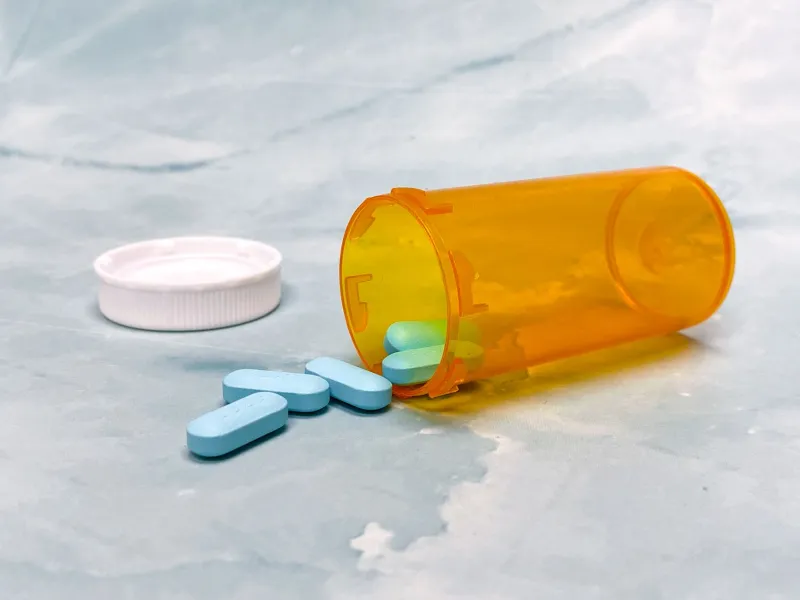
Photo: person checking prescription bottle and calendar at pharmacy counter, via www.clipartbest.com
You are down to your last few pills, you tap refill in the pharmacy app, and the screen hits you with a flat refill too soon. No explanation. No obvious mistake. Just a wall between you and the medication you already know you need.
If this has happened to you in 2026, you are not alone. Plans have gotten more aggressive about timing rules, and pharmacy staff are stuck in the middle. The good news is that a refill-too-soon rejection is not always final. Sometimes it is a legitimate waste-prevention checkpoint. Sometimes it is a paperwork problem. And sometimes it is a sign that paying cash is the cheaper, faster move.
Here is how to tell the difference without losing an afternoon on hold.
Why the rejection happens in the first place
Your insurance plan tracks the date of your last fill, the days supply your prescriber wrote, and the quantity dispensed. It then calculates the earliest date it will pay for another fill. Most plans use a threshold, often around 75% to 80% of the days supply. Fill a 30-day prescription on October 1, and your plan may not pay again until roughly October 23 to October 25.
That math gets messy when real life gets messy. A 90-day fill, a dose change, a manufacturer package size that does not match the written quantity, or a leftover partial fill can all shift the eligible date. The pharmacy counter usually sees a rejection code and a next-eligible date, but the front-line clerk may not have time to explain it. Ask for both.
When the rule is actually doing its job
Not every early refill deserves an override. If you still have three weeks of pills and simply want to stock up, the plan is likely applying a reasonable waste-prevention rule. Early refills raise costs for everyone, and some plans will only cover one early fill for a specific, documented reason.
That does not mean you should accept a wrong date. It means the strongest override requests are the ones tied to a real event: travel, loss, theft, a new dose, or a plan-specific exception. Generic frustration is understandable, but it rarely moves the claim.
The override paths that usually work
Vacation supply
If you are traveling and will run out before you return, ask the pharmacy to run a vacation override or travel supply. Many plans allow an early fill when you provide travel dates, especially if you will be away for a couple of weeks or more. The pharmacy may need the dates in writing, and some plans limit how often you can use this. Ask: “Can you run a vacation override for a fill on these dates?” Keep it specific.
Lost or stolen medication
Plans often replace lost medication once, but the process varies. For theft, a police report may be required. For a lost bottle, some plans ask for a signed statement or a prescriber note. Do not assume the pharmacy can wave it through. Call the plan’s member services number, ask what documentation they require, and get a reference number. If the plan approves a replacement, ask the pharmacy to note the approval on the prescription.
Dose changes
A true dose change is not the same as an early refill. If your prescriber changes your directions, strength, or quantity, you need a new prescription, not a refill of the old one. Ask the prescriber’s office to send a new Rx with the updated directions. Then ask the pharmacy to process it as a new prescription and, if needed, request an override for the old fill. This is one of the cleaner exceptions because the clinical reason is obvious.
Plan-specific exceptions
Some plans allow early fills for reasons like a documented medical need, a manufacturer shortage, or a dosing schedule that does not line up with the plan’s calendar. These are not automatic. Ask the pharmacy to call the insurance help desk and request a refill-too-soon override. If the first call fails, ask for the rejection code and the exact reason. Sometimes a second call with the prescriber’s office on the line gets a different result.
What to say at the counter
Skip the speech. Ask for facts:
- “Can you show me the rejection code and the next eligible fill date?”
- “Is this a days-supply issue or a quantity issue?”
- “Can you run a vacation override for these travel dates?”
- “If that is not allowed, can you call the help desk and ask for a refill-too-soon override?”
- “What documentation does my plan need from me or my prescriber?”
Then write down the name of the person you spoke with and any reference number. If you need to call the plan yourself, you will want those details.
Paperwork worth gathering
Have your prescription number, last fill date, days supply, and insurance card ready. For travel, have your dates and destination. For a lost or stolen medication, ask the plan what it accepts: a police report, a signed statement, or a prescriber note. For a dose change, get the new prescription sent electronically before you go to the counter. A little preparation beats a lot of guessing.
When paying cash is the smarter move
If the plan will not budge and you need the medication now, compare the cash price. Ask the pharmacy for the self-pay price, then check a discount card or coupon for the same drug and quantity. In some cases, a generic with a cash price or discount card costs less than a copay anyway. That is especially true for inexpensive generics and for plans with high deductibles.
Two cautions: cash purchases usually do not count toward your deductible or out-of-pocket maximum, and discount card prices can change. If you are close to meeting your deductible, waiting a few days may still be the better financial play. If you are traveling tomorrow, paying cash may be the practical play.
A quick decision guide
If you are traveling and will run out, ask for a vacation override. If medication was lost or stolen, ask what documentation the plan requires. If your dose changed, get a new prescription. If none of those apply and the cash price is low, pay cash and keep the receipt. If you are close to a deductible milestone, ask the pharmacist to calculate which option costs less overall.
The refill-too-soon rule is not a conspiracy. It is a calendar gate. But gates have handles, and the right question at the right time often opens them.